



In a global sports landscape that is dominated by powerful clubs, celebrity-status players and sponsorship deals worth millions of euros, we can easily assume that to be successful in sports marketing requires immense scale, making it extremely difficult, especially for smaller brands, to even consider investing in this field. Nevertheless, in one of the most innovative campaigns ever to take place, Burger King instead of spending millions teaming up with a globally known club, chose to sponsor Stevenage FC, a team playing in League Two, which is the fourth tier of the English football league system, for about 60.000 euros. So, what was the logic behind this move and what was the impact that it had on the brand?
Read more: Hacking Sports Sponsorships – Burger King and Stevenage F.C.

“How do we get people to drive more, so they use more tires?” This was the key question that was posed from brothers Édouard and André Michelin at the early 1900s, an era when there were only three thousand cars circulating the roads of France, with people not driving often, which meant that they didn’t wear out their tires, so fewer worn tires lead to fewer sales for their business. The genius solution that they came up with was the launch of Michelin Guide, a free (initially) booklet for drivers that contained maps, a list of hotels and restaurants and tips for maintaining cars. But how on earth could this red booklet be the answer to their problems?
Read more: Create Demand Through Content – The Story of the Michelin Stars
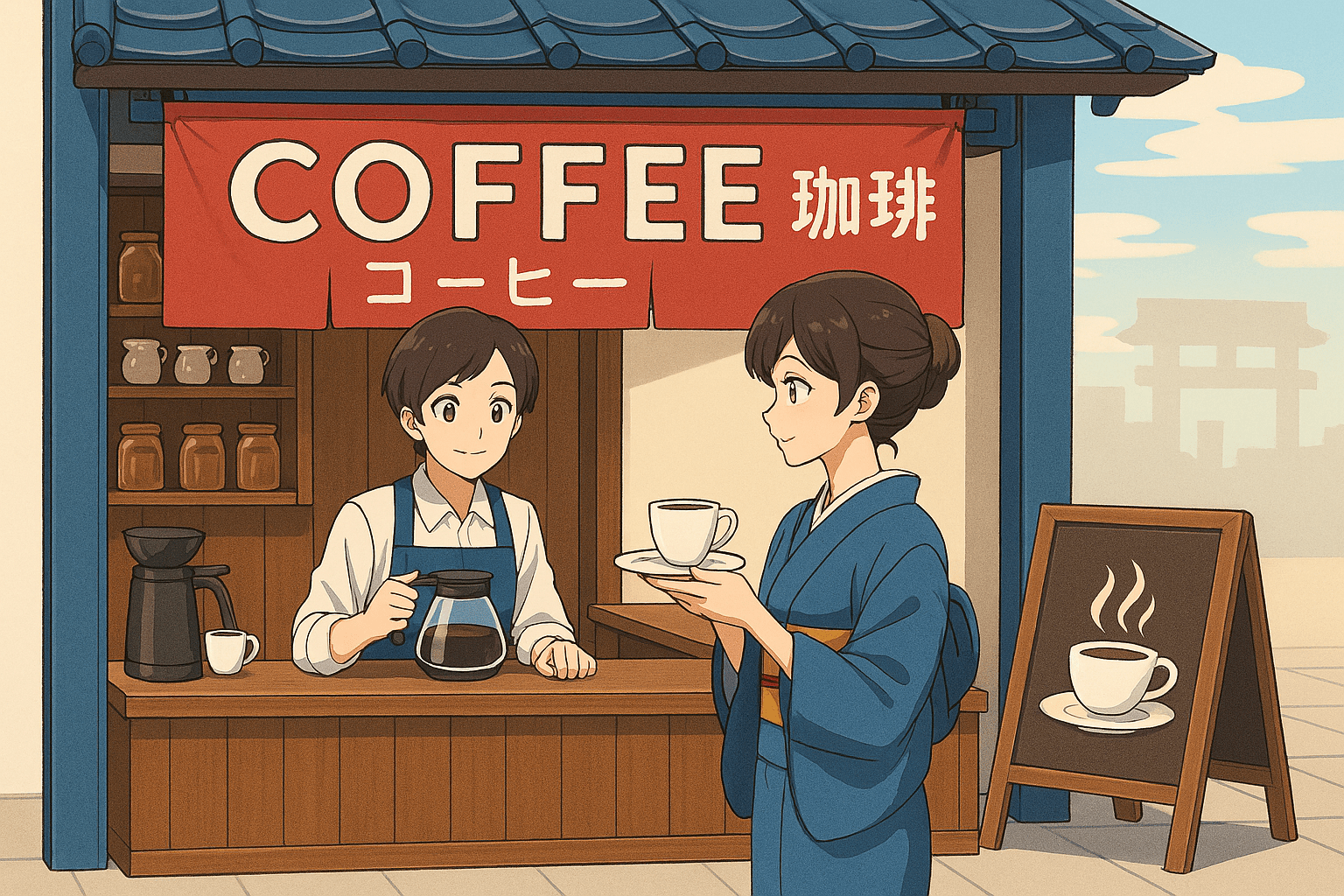
One of the things that I do every working day is to drive from my home to work and back, which is about 130 kilometers in total. As you can tell, I spend a lot of time in my car, so to make this time well-spend, I frequently listen to audiobooks and podcasts. I’m currently listening to The Culture Code, a book that was written by Marketing guru Clotaire Rapaille, in which, among others, the notion of the cultural unconscious of consumers is discussed.
Read more: The Cultural Unconscious – How Nestlé Managed to Sell Coffee to Japan

During the past years, there has been a growing discussion about how technology has been affecting the Sales profession, a discussion that has intensified recently, with the rapid development of Artificial Intelligence that already has been affecting many aspects of our lives. One of the main questions that has arisen is whether Legacy (Traditional) Sales models still have a place in today’s Sales environment.
Read more: Do Legacy Sales Models Still Have a Place in Today’s Sales Environment?
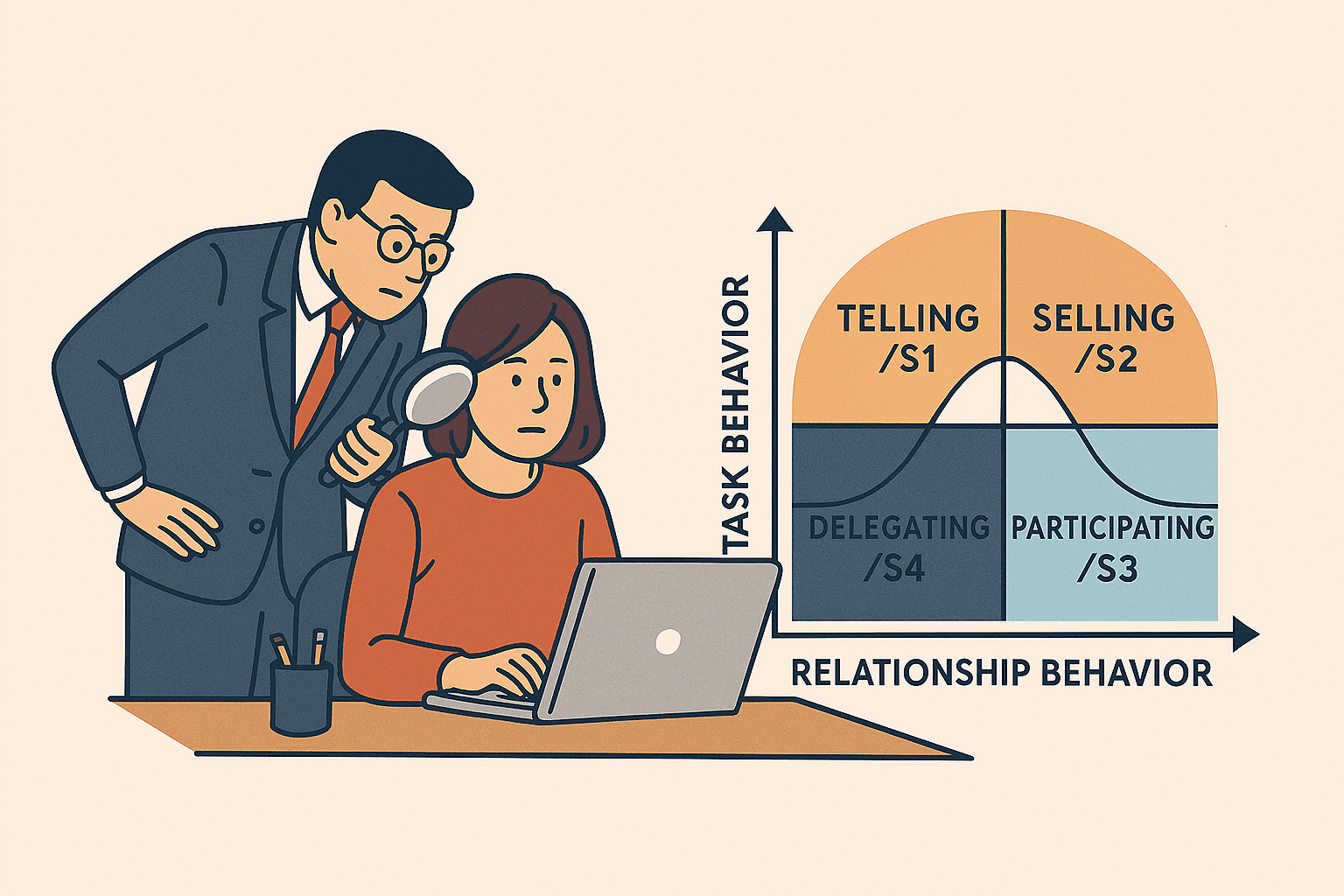
In the fast-paced and high-pressure world of Sales, team leaders and managers often face the temptation to micromanage as targets are ambitious, competition is fierce, and the stakes are high. In essence, micromanagement is to control every part, however small, and in practice typically involves close supervision, requiring insight into every step of a work process, limited autonomy for team members, not delegating tasks and taking over a project, if it’s not being done the “right” way. As a natural consequence, most of the time, micromanagers end up doing everything themselves.