



For years, companies have pursued growth through ever more sophisticated customer acquisition tactics, such as digital advertising, influencers, social media campaigns, search engine optimization (SEO) and lead generation platforms. Yet despite all this investment, customer referrals, one of the most powerful drivers of sustainable growth, remains surprisingly underutilised.
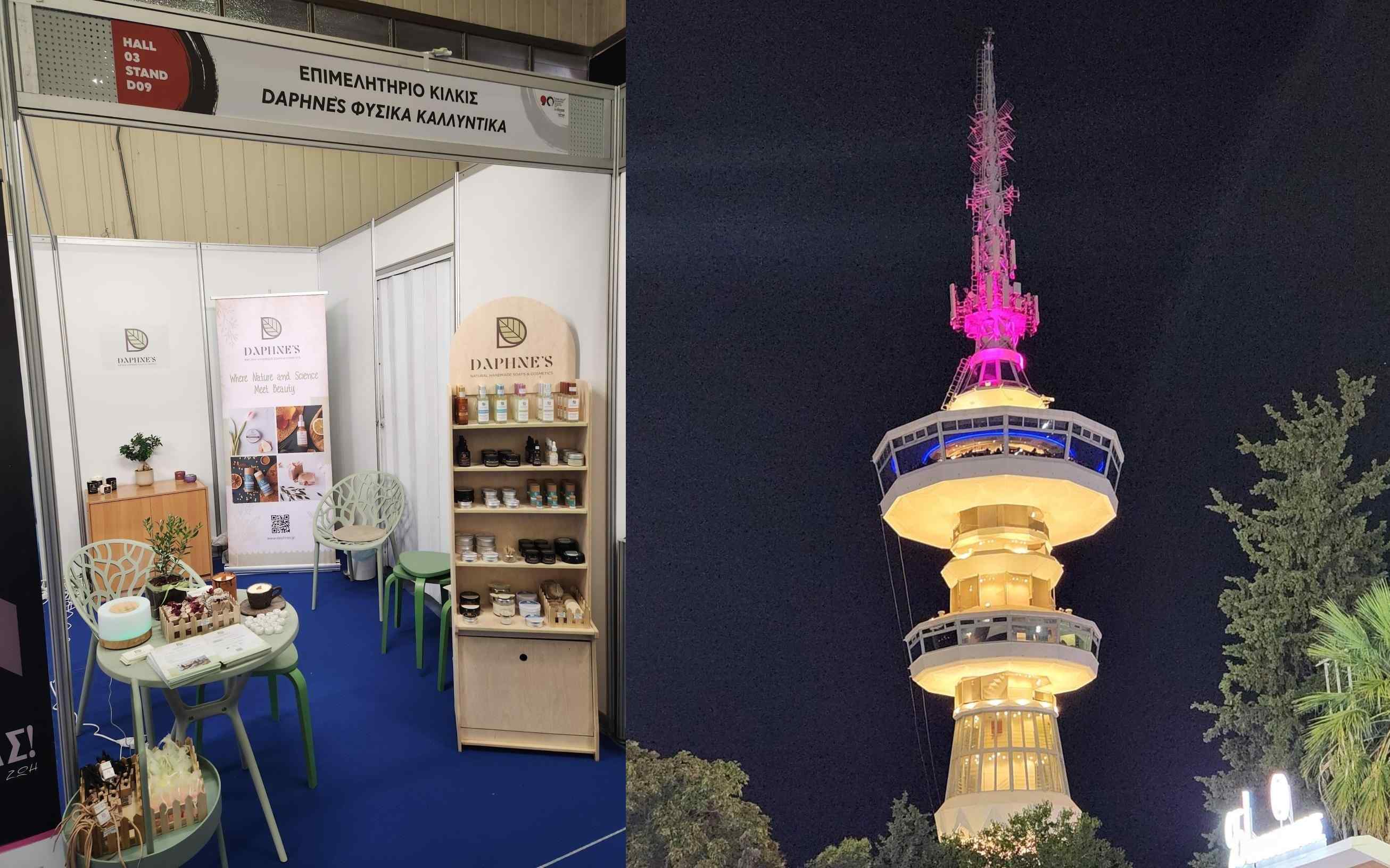
In September 2006, I started my fascinating trip to the world of Sales and throughout all these years, my professional career was spent only in the world of B2B, hence shaping the way that I think about selling. In September 2026 and for nine days, while helping my wife at the six-square meter stand of her company, Daphne's Natural Handmade Soaps & Cosmetics, during the 90th Thessaloniki International Fair (TIF), I stepped into a completely different Sales environment, which proved to be an extremely useful reminder of what selling is really about.
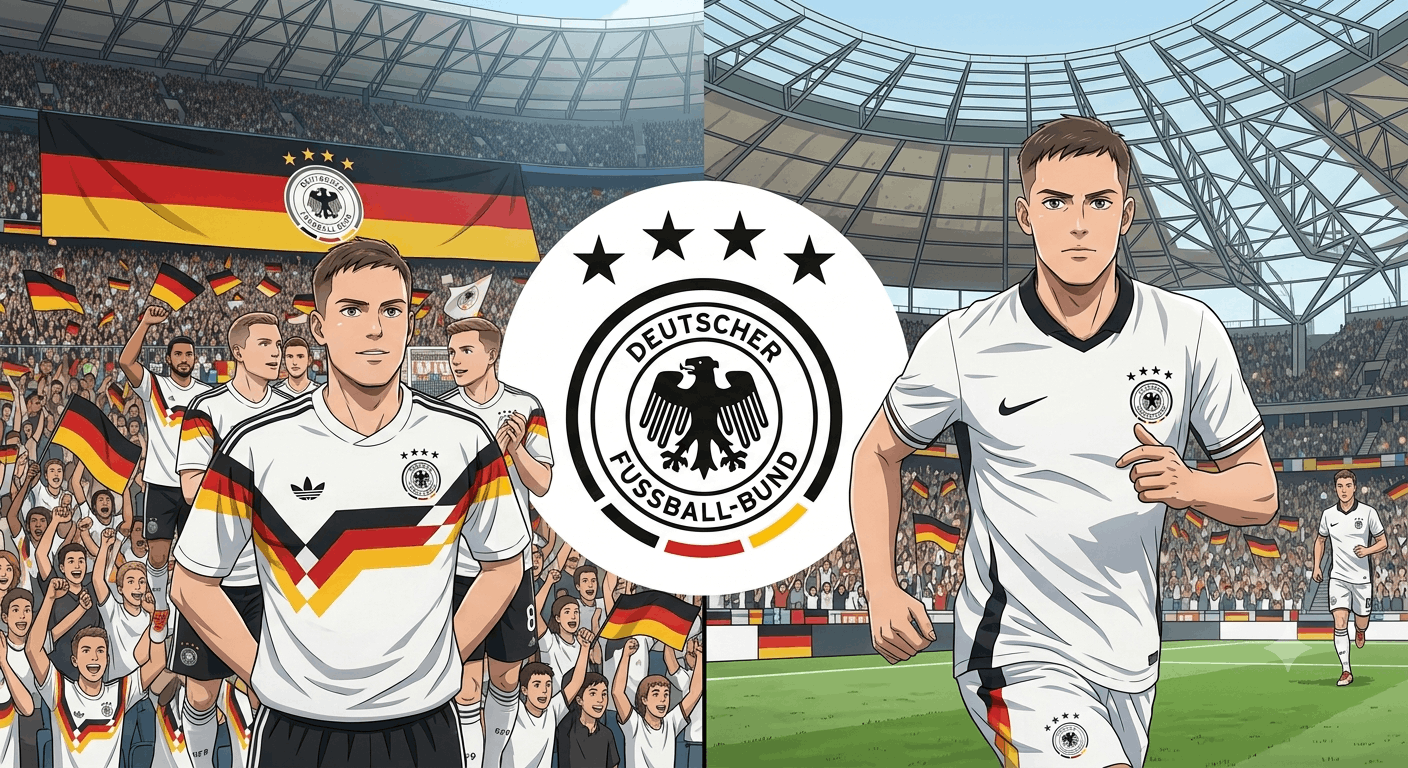
Last June and July, all football fans around the globe were rejoicing, as the 2026 FIFA World Cup was underway at the stadiums of USA, Mexico and Canada. One of the most successful teams in the history of the competition, although it was eliminated early from this year’s tournament, is the German National Football Team, which some months ago was making the sports headlines, not because of its’ performance on the pitch, but due to the new sponsorship kit deal that they made, which marked the end of a more than seventy-year partnership with Adidas.
Read more: Winning the Jersey War - From Three Stripes to Swoosh
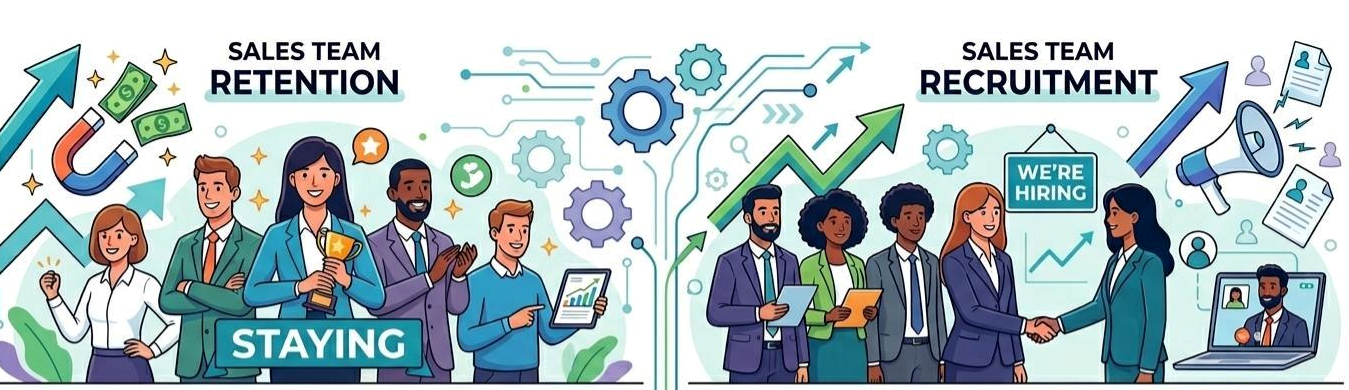
Some days ago, I came across a Harvard Business Review article by Nick Toman and John Staples, which highlights one of the most critical challenges that commercial leaders are faced with intertemporally: retaining top Sales talent amid widespread labour market volatility. Even though this article was published nearly four years ago, in my view it does accurately describe the situation nowadays.
Read more: Is Retention the New Recruitment for Sales Organisations?

In a global sports landscape that is dominated by powerful clubs, celebrity-status players and sponsorship deals worth millions of euros, we can easily assume that to be successful in sports marketing requires immense scale, making it extremely difficult, especially for smaller brands, to even consider investing in this field. Nevertheless, in one of the most innovative campaigns ever to take place, Burger King instead of spending millions teaming up with a globally known club, chose to sponsor Stevenage FC, a team playing in League Two, which is the fourth tier of the English football league system, for about 60.000 euros. So, what was the logic behind this move and what was the impact that it had on the brand?
Read more: Hacking Sports Sponsorships – Burger King and Stevenage F.C.