


One of the things that I do every working day is to drive from my home to work and back, which is about 130 kilometers in total. As you can tell, I spend a lot of time in my car, so to make this time well-spend, I frequently listen to audiobooks and podcasts. I’m currently listening to The Culture Code, a book that was written by Marketing guru Clotaire Rapaille, in which, among others, the notion of the cultural unconscious of consumers is discussed.
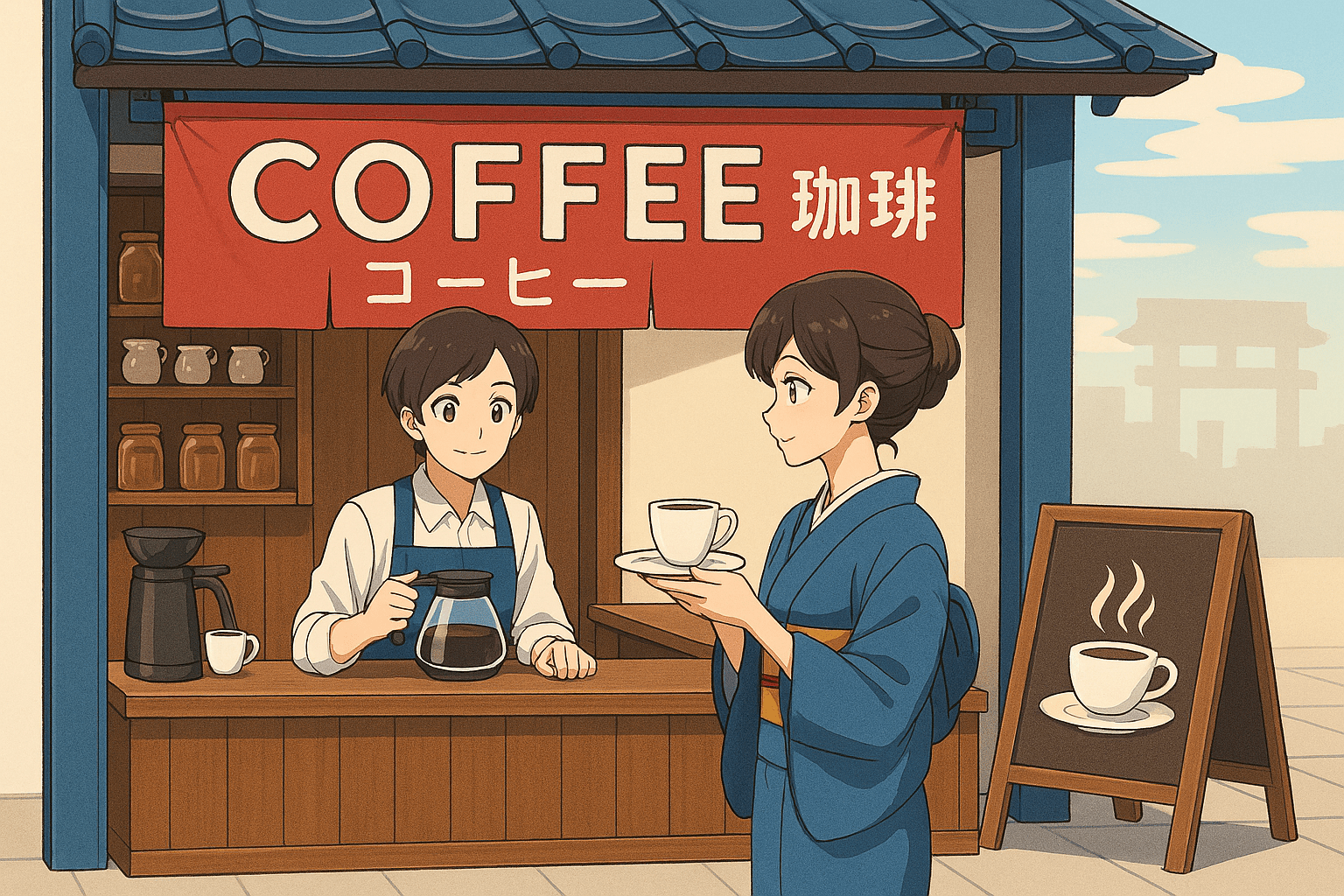
The cultural unconscious is a concept used in marketing and psychology to describe the deep, but often invisible layer of shared meanings, values and symbols that guide consumer behaviour without people being consciously aware of them. One of the most fascinating case studies that are mentioned in this audiobook, and are related to this idea, was how the multinational giant Nestlé managed to sell coffee in Japan, a country known for its’ affection for tea.
Back in the 1970s, as the Japanese economy was flourishing, Nestlé tried to enter the market by selling coffee. Following the marketing approach that was used in other countries, they expected things to work, as they had a good product at an affordable price, supported by a world-famous brand. Moreover, blind taste tests went well, all focus groups gave positive feedback and every study showed that their coffee would be the next big thing in the market. Based on the above, Nestlé executives went full speed, spending huge sums on marketing campaigns, price discounts and distribution channels, as their plan was to put their product on every shelf in Japan. Nevertheless, Japanese consumers chose not to buy coffee and remained devoted to the centuries-old tea tradition.
In an effort to turn things around, since nothing seemed to work, Nestlé decided to cooperate with Clotaire Rapaille, a child psychiatrist who had spent years working with autistic children. Based on this experience, Clotaire was convinced that people can’t tell you what they want, as he believed that the natural desires that drive humans are unconscious and very few people are aware enough to understand them.
When Rapaille arrived in Japan and after working intensely with various local discovery groups as he called them, he quickly realised that Japanese consumers had zero childhood memories involving coffee, as they grew up watching their parents drink tea and themselves eating tea-flavoured snacks. Therefore, without an early emotional imprinting, the adoption of a new food or drink was difficult, so he recommended Nestlé executives to stop targeting adults. Instead, he proposed to create coffee-flavoured products for children such as chocolates, candies and jellies, in order to build taste familiarity and emotional associations during childhood.
By the mid-1980s, the first generation of children raised on coffee-flavoured sweets entered the workforce, so Nestlé relaunched coffee in Japan. This time, they met no resistance, as the now adults were ready to enjoy the full coffee experience. The result was a huge success, as the new generation had become loyal coffee consumers. Nestlé had turned an alien product into a beloved part of the local culture, thanks to its’ patience and strategy that was based on the understanding of human behaviour. Today, Japan is one of the top importers of coffee in the world, bringing in nearly 500.000 tons per year, with Nestlé being one of the dominant players in the market.
From the above case study, it is evident that, sometimes, the key to market success isn’t in aggressive selling, but in understanding how to build connections over time. Rapaille helped Nestlé succeed in Japan by identifying that emotional childhood imprinting drives taste preferences, which led to designing a long-term cultural strategy targeting children rather than adults.
As consumers, we like to think that we make buying decisions rationally and that we purchase products and services because they are cheaper, better or “value for money”. Rapaille’s approach proved that we buy the things that feel like home and that people adopt behaviours culturally and not logically. The cultural unconscious refers to shared cultural patterns, which are beliefs and norms that we take for granted because they are part of our upbringing and social environment. When we buy, we rarely think about these values, but the truth is that they could influence what “quality” means for each one of us, or even brand loyalty.
This is something that Sales and Marketing professionals must consider and pay close attention to. Marketers should create resonant brand stories that feel “naturally right”, while Salespeople need to be able to predict and uncover the deep emotional motives behind the purchasing decisions of their customers.