


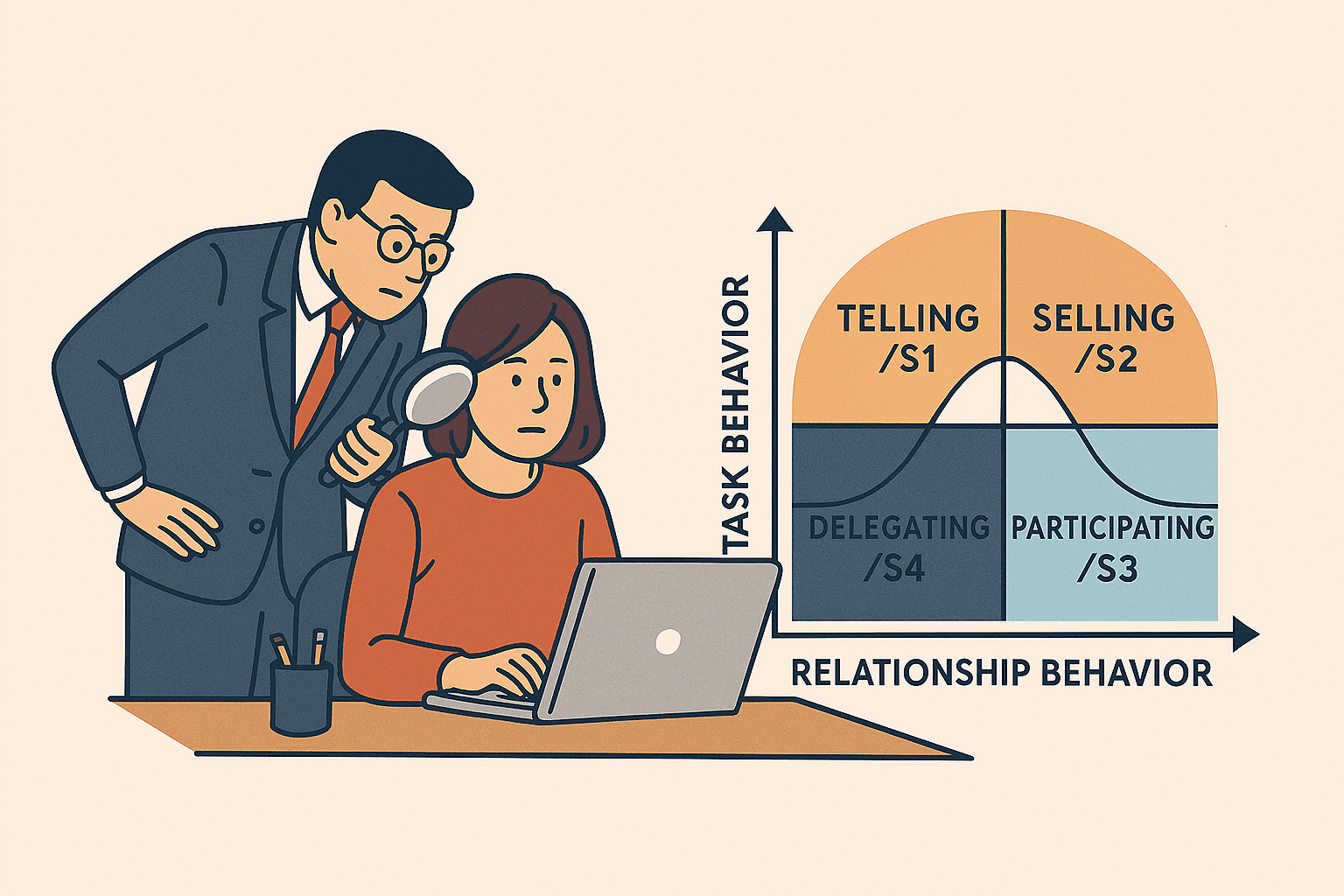
In the fast-paced and high-pressure world of Sales, team leaders and managers often face the temptation to micromanage as targets are ambitious, competition is fierce, and the stakes are high. In essence, micromanagement is to control every part, however small, and in practice typically involves close supervision, requiring insight into every step of a work process, limited autonomy for team members, not delegating tasks and taking over a project, if it’s not being done the “right” way. As a natural consequence, most of the time, micromanagers end up doing everything themselves.
Micromanagement is a word that often sparks strong reactions, especially when it comes to Sales. Some Sales leaders strongly believe that it is absolutely necessary, so as to ensure that targets are met, while others argue that it kills creativity and motivation. So, the question that arises is, whether salespeople need to be micromanaged or not?
In my view, the answer is not always black and white, as the effectiveness of micromanagement depends largely on the readiness and development level of the Sales team, a concept that is central to the Hersey-Blanchard Situational Leadership Model. The Situational Leadership Model was developed by author Paul Hersey and leadership expert Ken Blanchard back in 1996, suggesting that no single leadership style is better than another. They developed four types of leadership styles based on the tasks and relationships that leaders experience in the workplace. According to the model, the following are styles of leadership that managers can use:
- Delegating style: A low-task, low-relationship style in which the leader allows the group to take responsibility for task decisions, which is best used with high-maturity personnel.
- Participating style: A low-task, high-relationship style that emphasizes shared ideas and decisions. Managers could use this style with moderate employees who are experienced but may lack the confidence to do the tasks assigned.
- Selling style: A high-task, high-relationship style in which the leader attempts to sell their ideas to the group by explaining task directions in a persuasive manner. This is also used with moderate personnel, but unlike the previous style, these people have the ability but are not willing to do the job.
- Telling style: A high-task, low-relationship style in which the leader gives explicit directions and supervises work closely. This style is geared toward low-maturity employees.
From the above, it is evident that the model suggests that leaders should be flexible and adjust their techniques to their employees' abilities, which means that they must choose a leadership style related to the maturity level of their followers, and that no single leadership style is better than another. Micromanagement may be appropriate for Sales representatives who need clear guidance and structure, as it may accelerate learning and ensure adherence to processes, eventually leading to build confidence and competence.
However, applying the same level of control to more experienced Salespeople can be counterproductive, as these employees benefit more from empowerment through trust, autonomy, and support concerning Sales strategy. When people feel empowered, they are more likely to take ownership and produce exceptional results.
In conclusion, I believe that micromanagement isn’t inherently bad, as there may be times when a particular team or project will require a Sales leader to have a more hands-on approach, as a short-term strategy for training or course correction. Since Sales is all about being flexible and adaptable, Sales managers need to have that exact mentality when leading their teams, so the Situational Leadership Model is a valuable tool for those that need to adjust their leadership style, in order to bring the desired results through the performance of their team. Nevertheless, for long-term success, people need to feel trusted and empowered, so we need to focus on their outcomes rather than on every move they make.